

Deaf to Definitions

Morality – a personal or social set of standards for good or bad behavior and character or the quality of being right and honest.
Conscience – the feeling that you know and should do what is right and should avoid doing what is wrong, and that makes you feel guilty when you have done something you know is wrong.
Lie – to say or write something that is not true in order to deceive someone.
Ignore – to give no attention to something or someone.
Corruption – illegal, bad, or dishonest behavior, especially by people in positions of power.
Abuse – the use of something in a way that is harmful or morally wrong.
Brutality – an act or behavior that is cruel and violent.
Murder – to commit the crime of intentionally killing a person.
Silence – the absence of sound; a state of not speaking or making noise.
Complicit – involved in or knowing about a crime or some activity that is wrong.
Subject – a person under the authority of a ruler, with less or no participation in governance; defined by being under the power of a ruler or government, often lacking the full political rights, voting power, or constitutional protections afforded to a citizen.
Civil War – a war fought between groups of people living in the same country.
U.S. Constitution – the supreme law and fundamental framework of the American government, establishing its structure (three equal branches: legislative, executive, judicial), defining powers, outlining citizen rights, and creating a system of checks and balances, all while being the oldest written national constitution in use, ensuring laws conform to its principles.
First Amendment – Congress shall make no law respecting an establishment of religion, or prohibiting the free exercise thereof; or abridging the freedom of speech, or of the press; or the right of the people peaceably to assemble, and to petition the Government for a redress of grievances.
Fourth Amendment – The right of the people to be secure in their persons, houses, papers, and effects, against unreasonable searches and seizures, shall not be violated, and no Warrants shall issue, but upon probable cause, supported by Oath or affirmation, and particularly describing the place to be searched, and the persons or things to be seized.
Right – what is considered to be morally good or acceptable; the opportunity to act and to be treated in particular ways that the law promises to protect for the benefit of society.
Protest – a strong complaint expressing disagreement, disapproval, or opposition; an occasion when people who that they disagree strongly with something by standing together and shouting and carrying signs, especially on the streets.
Truth – the quality of being true; the real facts about a situation, event, or person.
Justice – fairness in the way people are dealt with; the system of laws in a country that judges and punishes people.
Definition Sources:
Cambridge Dictionary | English Dictionary, Translations & Thesaurus
Oxford Languages and Google - English | Oxford Languages
National Archives | Home
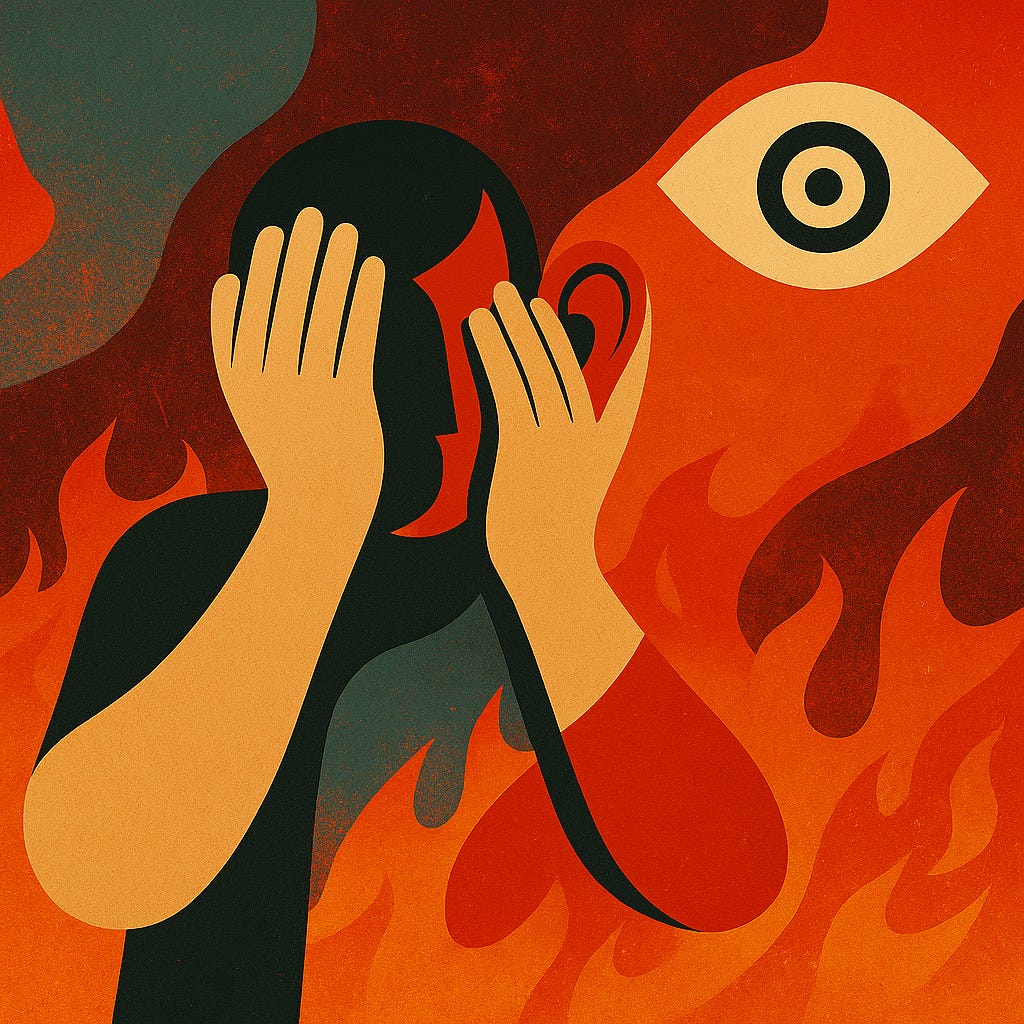
Image Credit: Generated with Microsoft Co-Pilot, January 25, 2026.